Welcome to Y2Mate, find the video you want and review its offered download formats in one place. Start with keywords to explore results, or paste a recognized YouTube video link when you already know the source. This YouTube Downloader puts recording selection before the output decision, so you can choose audio or picture with sound according to your needs and the options available.
Trending
The local chart is temporarily unavailable. Search for a title or artist above.
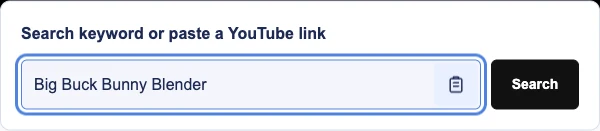
Enter identifying words in the input field and select Search. For a recognized YouTube video link, select Convert instead. Check that you have entered the complete link or a useful query before submitting it.
Select the Video and Format
Choose the intended search result to open conversion, or review the video reached through your link. Then select an offered MP3 option for audio or MP4 for picture with sound. Decide on the recording first, rather than choosing solely by the format you want.
Save the Chosen Download
Use the download control associated with your chosen output and follow any browser saving prompts. Allow the transfer to finish before treating the file as saved. The selected video, provider, browser and device can affect availability and saving.
Y2Mate Converter Features
Keyword and Link Input
The shared field supports both discovery and a known source. Its clipboard control lets you request a paste without typing the address; browser permission may be needed. Manual paste remains available if you prefer to enter the copied link yourself.
Trending and Related Songs
Trending provides a starting point for music discovery: its Download action opens music search. Related songs take a different route, opening conversion for the selected song. Neither action immediately saves a file, leaving room to consider the offered output.
Compact Layout and Dark Appearance
A compact browser layout presents the downloader in a focused space, with a dark appearance for the page. These are presentation choices, not conversion settings; they do not change the source recording or determine which formats are offered.
Search by Keywords or Use a Known Link
A broad song query can surface recordings with similar names. Add an artist or version detail when the results are too general, rather than adding unrelated words. A recognized YouTube video link serves another purpose: it identifies an already chosen source instead of asking you to select from search results. In the Y2Mate Downloader, use search to resolve which recording you mean and a known link to submit that recording directly.
YouTube to MP3 Converter
Choose audio when listening is the goal and the picture adds nothing you need to retain. Before starting an MP3 download, consider whether the selected recording contains the sound you actually want, including any introductions or background noise. A YouTube MP3 Converter changes the output format; conversion does not repair flaws in the source recording.
YouTube to MP4 Downloader
Picture matters when meaning depends on what appears onscreen, not just what is said or played. An offered MP4 keeps picture with sound, while an audio choice leaves the visual information out. Treat the YouTube MP4 Converter choice as a purpose decision: retain the picture when it contributes something useful, and check the actual options rather than assuming every source offers video output.
Locate Completed Downloads
A completed download belongs in the browser's saved-file controls, not among search results. Open browser Downloads and use the relevant entry to locate it. A device files app may also help where applicable. If you selected a destination during saving, return there; otherwise, consult the browser's download settings. Those settings determine where the file is placed, so the same page need not save to the same folder in different browsers.
Check Input Before Retrying
If conversion does not proceed, inspect the submitted input before repeating the request. A partial copied address calls for correcting the link, not repeatedly pressing Convert. The YouTube Converter can only work with the submitted source and available options. Download content only when you have permission, and observe the source platform's rules.
Frequently Asked Download Questions
How do I choose audio after opening a search result?
Look at the formats offered for that selected video and choose MP3 if present. The YouTube MP3 Downloader uses that video as the audio source; opening a result alone does not select an audio output.
Which detail helps separate an original song from other versions?
Add the artist and the version you intend, such as studio or live, to the song title. Compare the resulting recordings rather than assuming the first matching title is the intended version.
Why is the format I want absent?
Available choices depend on the selected video and provider. A preferred format is not necessarily offered for every selection. Review the displayed options; repeating the request does not establish that another format will appear.
What should I do if clipboard paste is blocked on my phone?
You can paste the copied link manually into the input field. Clipboard access may require browser permission, but it is separate from submitting the link. Browser and device behavior can differ.
Does a similar title mean two sources will sound the same?
No. They may be different recordings or uploads with different audio flaws. Check the intended source rather than expecting a matching title or the same output format to produce identical sound.
Can an audio file retain the onscreen content?
MP3 is for sound, not the picture. If the onscreen content matters, review whether MP4 is offered for the video. Choosing audio does not preserve visuals for later viewing.
Where should I check if I forgot the save folder?
Start with the completed entry in browser Downloads. Use it to locate the saved item, then check the browser's configured destination if needed. A device files app is another place to look where available.
Does an available download button give me permission?
No. A working control describes an available action, not your rights to the content. Establish that downloading and your intended use are permitted before saving; access to a video alone is not authorization.